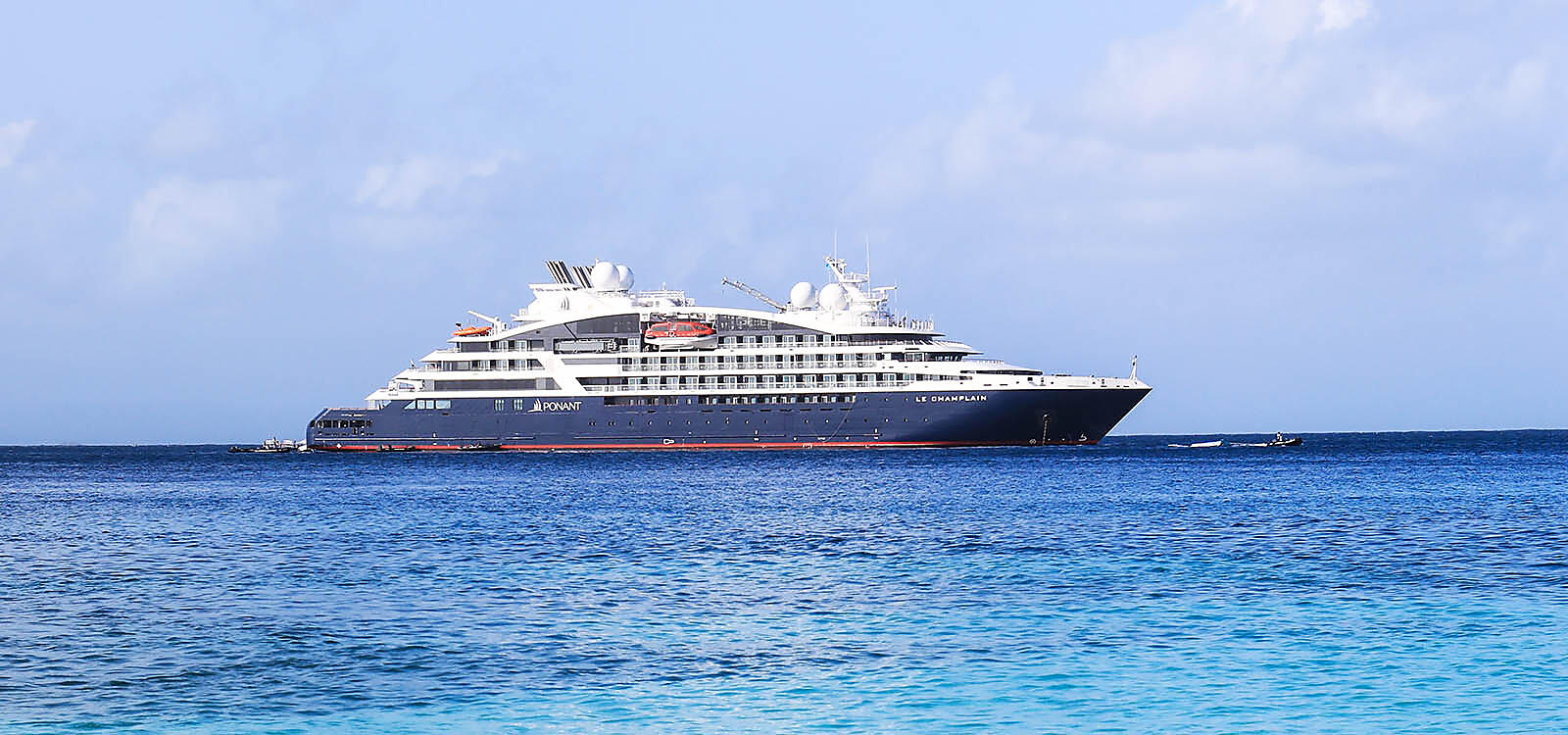
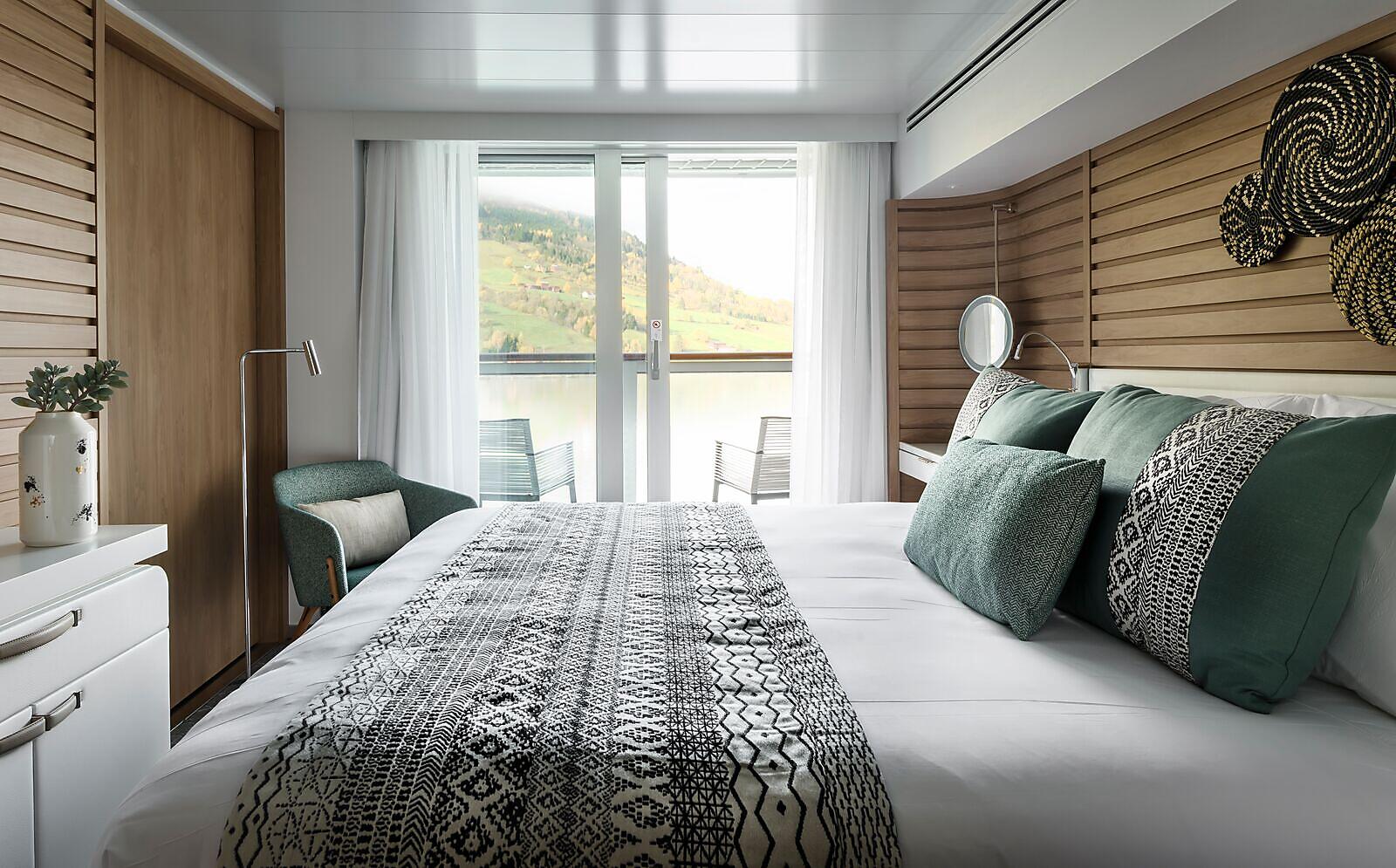
Join us aboard the intimate luxury yacht Le Champlain for A Symphony at Sea: The Musical Traditions of Greece.
From 18–25 October 2026, we will sail through the spectacular Greek Islands while enjoying an extraordinary programme of music featuring:
🎼 Conductor Keith Lockhart
🎹 Pianist Jihye Chang
🎻 Cellist Alistair MacRae
🎤 Soprano Alison Pohl
🎻 Violist Scott Rawls
🎻 Violinist Wendy Rawls
🎻 Violinist Benjamin Sung
Imagine...
✨ Live musical performances at sea
🇬🇷 The magic of Santorini and Mykonos
🏛️ Ancient Delos and the Palace of Knossos
🏰 The medieval streets of Rhodes
⚓ The beautiful island of Hydra
🥂 The elegance, intimacy and exceptional service of PONANT's Le Champlain
This specially curated luxury voyage also includes transfers and an included shore excursion in every port.
Selected and hosted by Allan Hopper, CLIA Cruise Master and Ponant Explorations Expert.
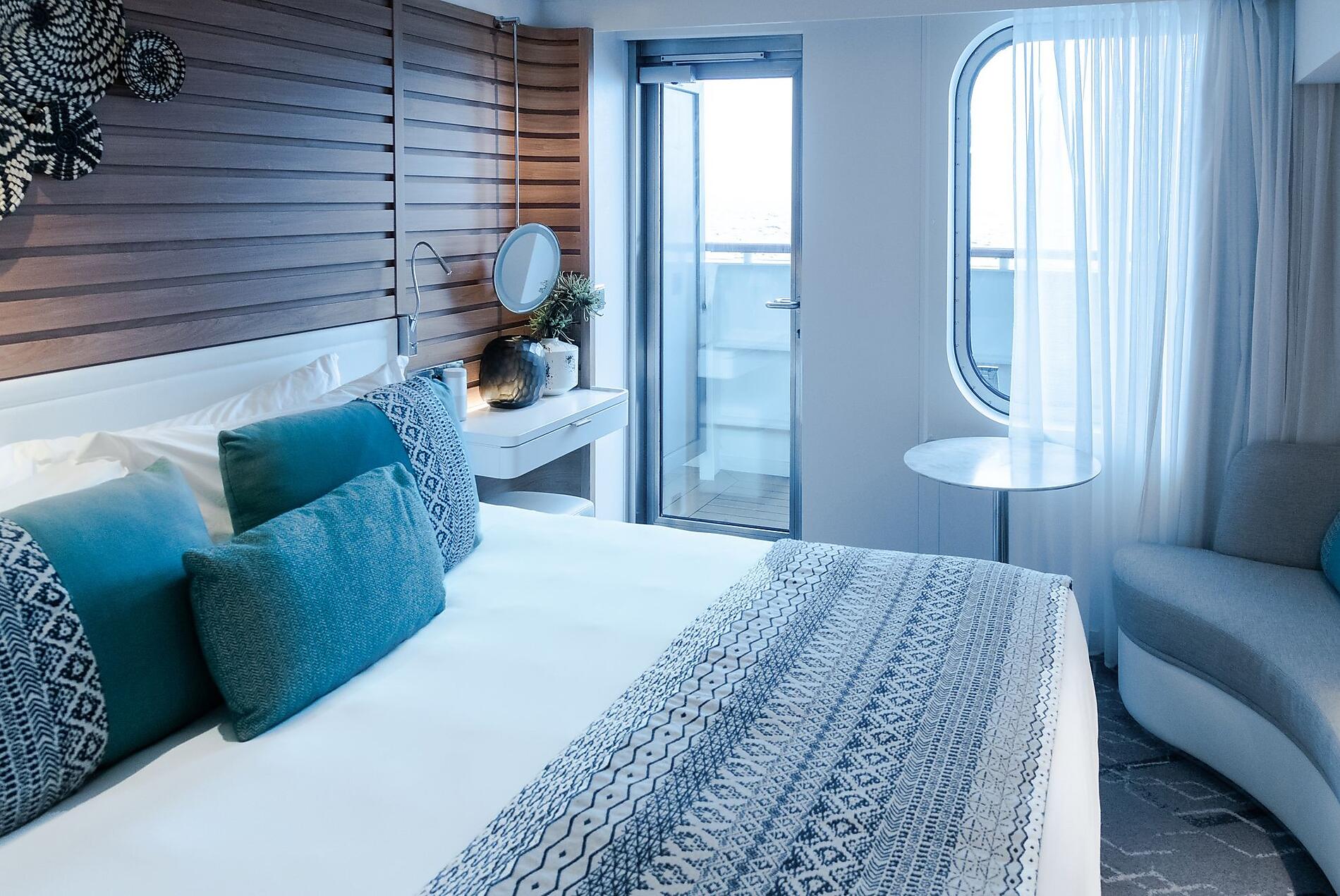
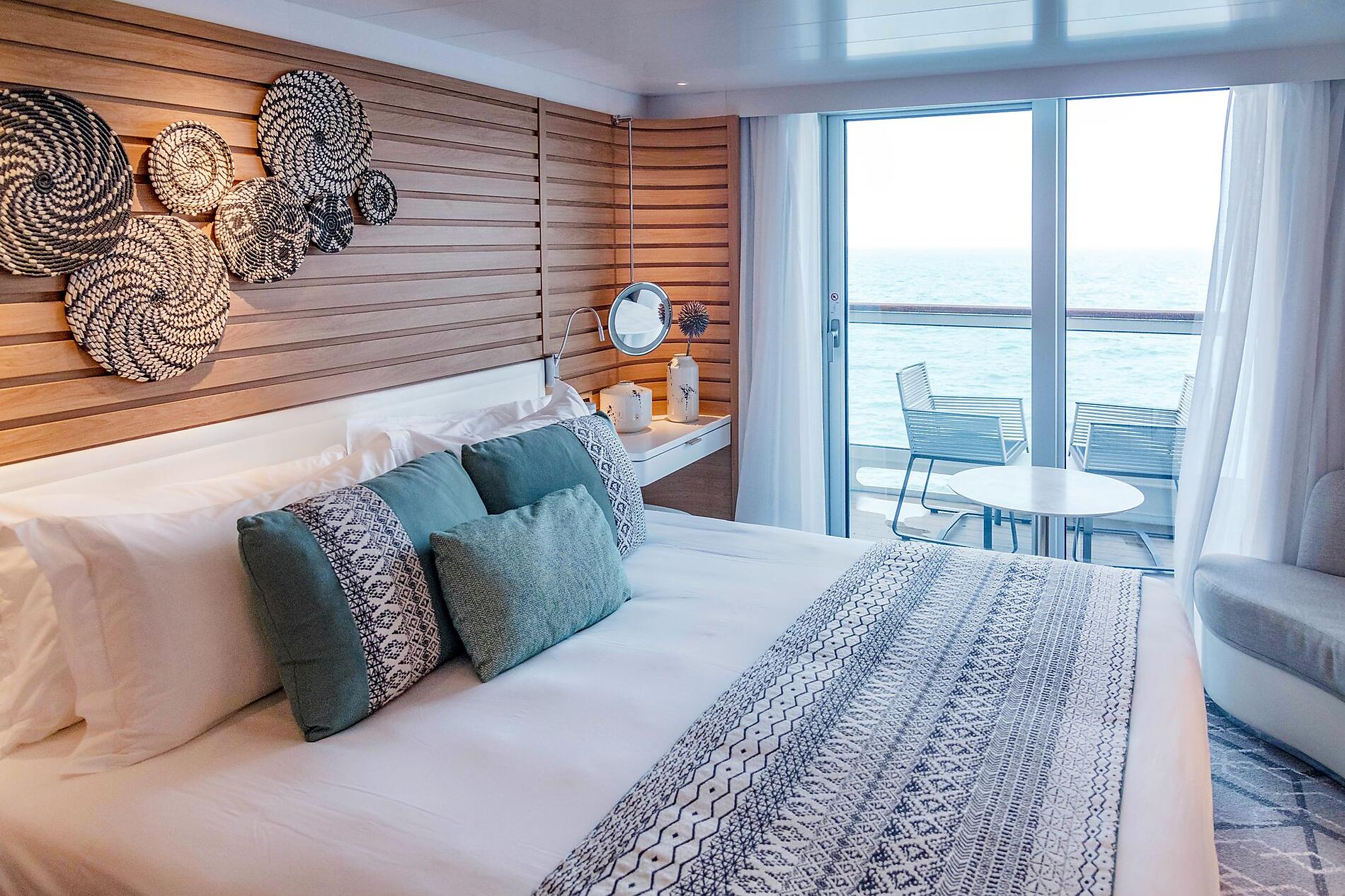
1 Deluxe Stateroom Available on Deck 3
1 Prestige Stateroom Available on Deck 4
1 Prestige Stateroom Available on Deck 5
A specially tailored voyage including transfers before and after your cruise and an included excursion in each port of call.
A program of musical performances aboard ship featuring Boston Pops conductor Keith Lockhart and six musicians – pianist Jihye Chang, cellist Alistair MacRae, soprano Allison Pohl, violist Scott Rawls, violinist Wendy Rawls, and violinist Benjamin Sung.
Enjoy performances of folkloric dance in Crete and traditional music in Santorini.
Stroll the medieval streets of the UNESCO World Heritage site of Rhodes Town.
Marvel at the sheer number and variety of temples and shrines on tiny Delos, another UNESCO World Heritage site.
Discover the stunning views and wonders of Bodrum and the quiet elegance of Hydra.
Relax and refresh in the cafés and shops for which Mykonos is famous.
Click the link to discover your beautiful ship Le Champlain
Like the rest of the PONANT EXPLORERS series, Le Champlain successfully manages to subtly combine the desire to explore the remotest regions of the planet with the comfort and privacy of a cosily intimate ship.
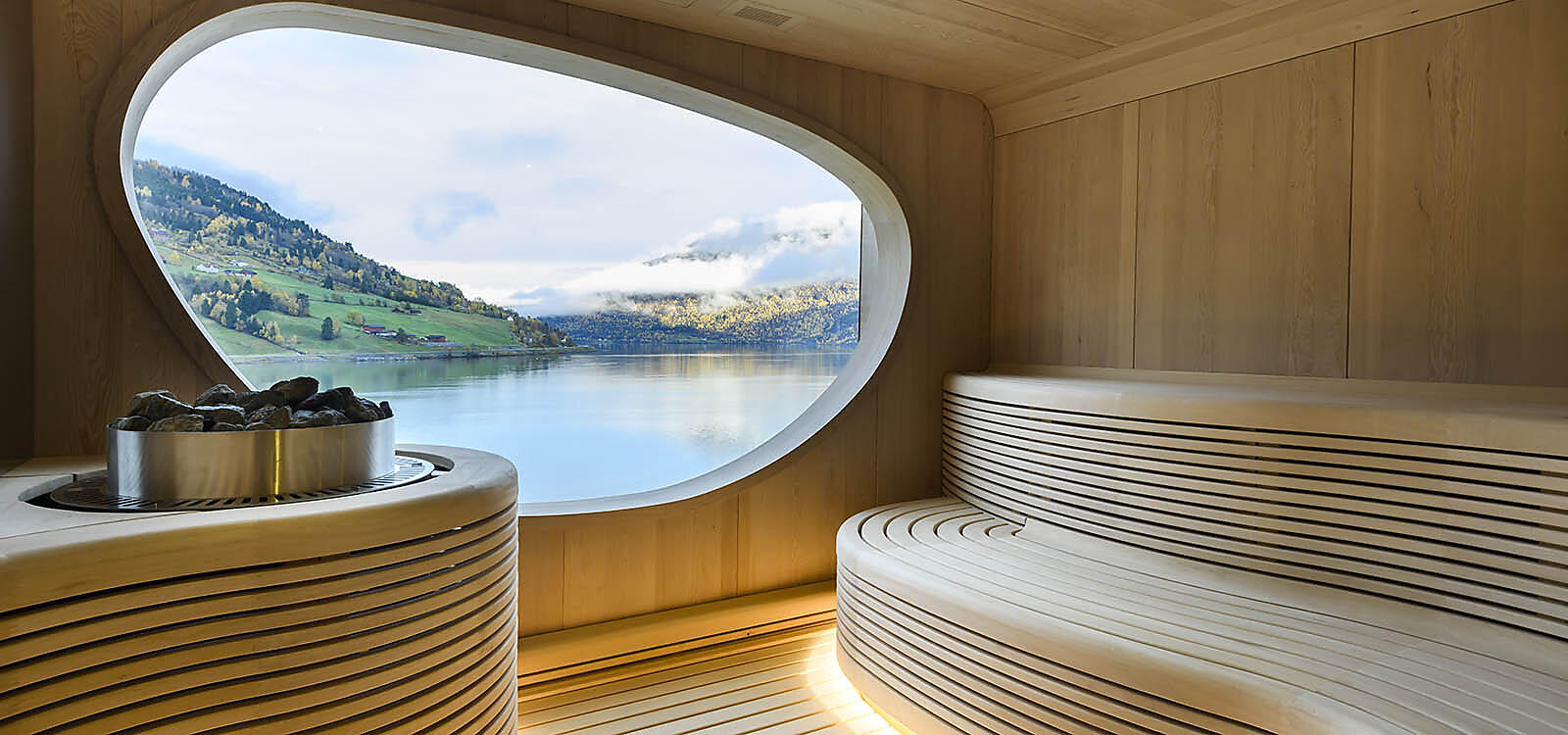
To the innovative and environmentally friendly equipment are added elegant design and a unique atmosphere in keeping with the whole PONANT universe. Your dream of a cruise onboard a cosily intimate ship is thus made possible through the combination of an authentically genuine voyage experience together with discreet luxury.
Please note, the following items are not included in your cruise:
Airfares, independent meals and beverages ashore, personal expenses (such as laundry, telephone, etc.)
This voyage is offered on a space available basis and the program is subject to change without notice
| Tour Provider | Transformational Travel |
| Number Of Days | 8 |
| Start Location | Athens, Greece |
| End Location | Athens, Greece |
| Age Range | Avg. 55+ |
| Group Size | 15 to 15 |
| Tour Style | Luxury |
| Tour Themes | Small group |
| Physical Rating | Easy |
A specially tailored voyage including transfers before and after your cruise and an included excursion in each port of call.
A program of musical performances aboard ship featuring Boston Pops conductor Keith Lockhart and six musicians – pianist Jihye Chang, cellist Alistair MacRae, soprano Allison Pohl, violist Scott Rawls, violinist Wendy Rawls, and violinist Benjamin Sung.
Enjoy performances of folkloric dance in Crete and traditional music in Santorini.
Stroll the medieval streets of the UNESCO World Heritage site of Rhodes Town.
Marvel at the sheer number and variety of temples and shrines on tiny Delos, another UNESCO World Heritage site.
Discover the stunning views and wonders of Bodrum and the quiet elegance of Hydra.
Relax and refresh in the cafés and shops for which Mykonos is famous.
Embarkation 18/10/2026 From 4:00?pm to 5:00?pm
Departure 18/10/2026 at 8:00?pm
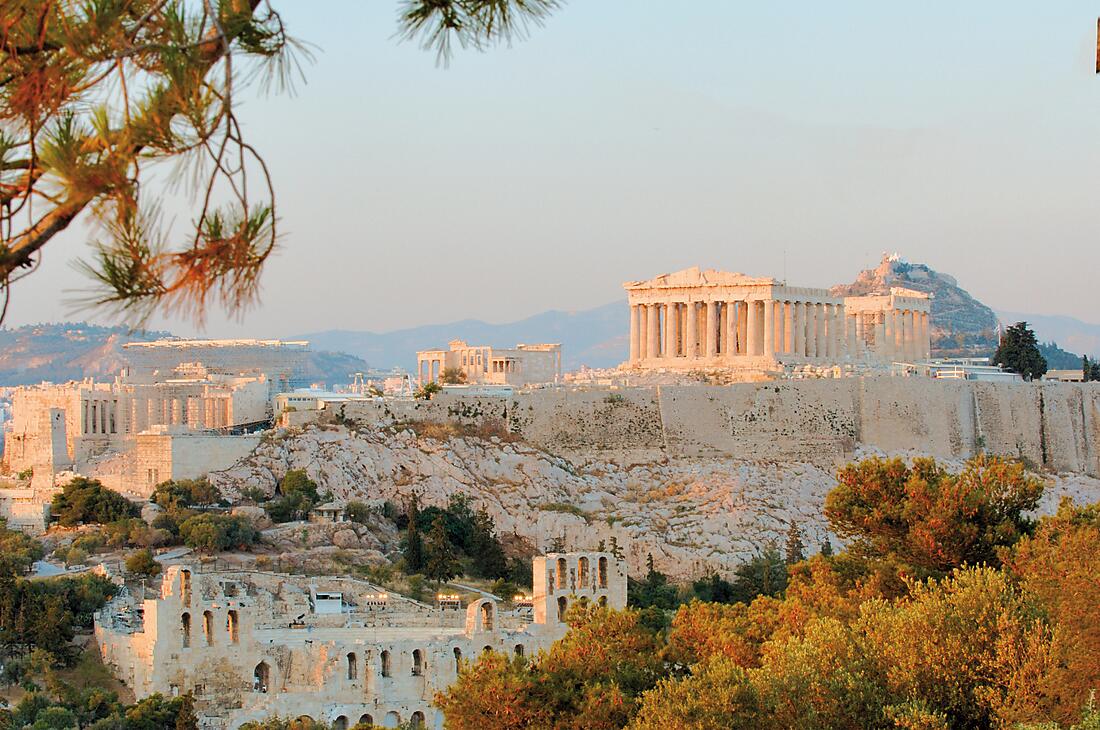
The Greek capital city is located on the edge of the Saronic gulf, in the east of the country. It bears a plural name in reference to the first villages that surround the Acropolis. You will be enchanted by the rocky plateau presided by its monuments listed as UNESCO World Heritage. In the city below, you can visit some of the liveliest districts in Athens: Plaka, with its maze of colourful streets, and where, in the evenings the drifting aroma of moussaka and garlic prawns will tickle your taste buds. The National Archaeological museum and the Cycladic Art Museum are also some of the city’s key attractions and allow visitors to discover Athens’ cultural past.
Arrival 19/10/2026 midday
Departure 19/10/2026 evening
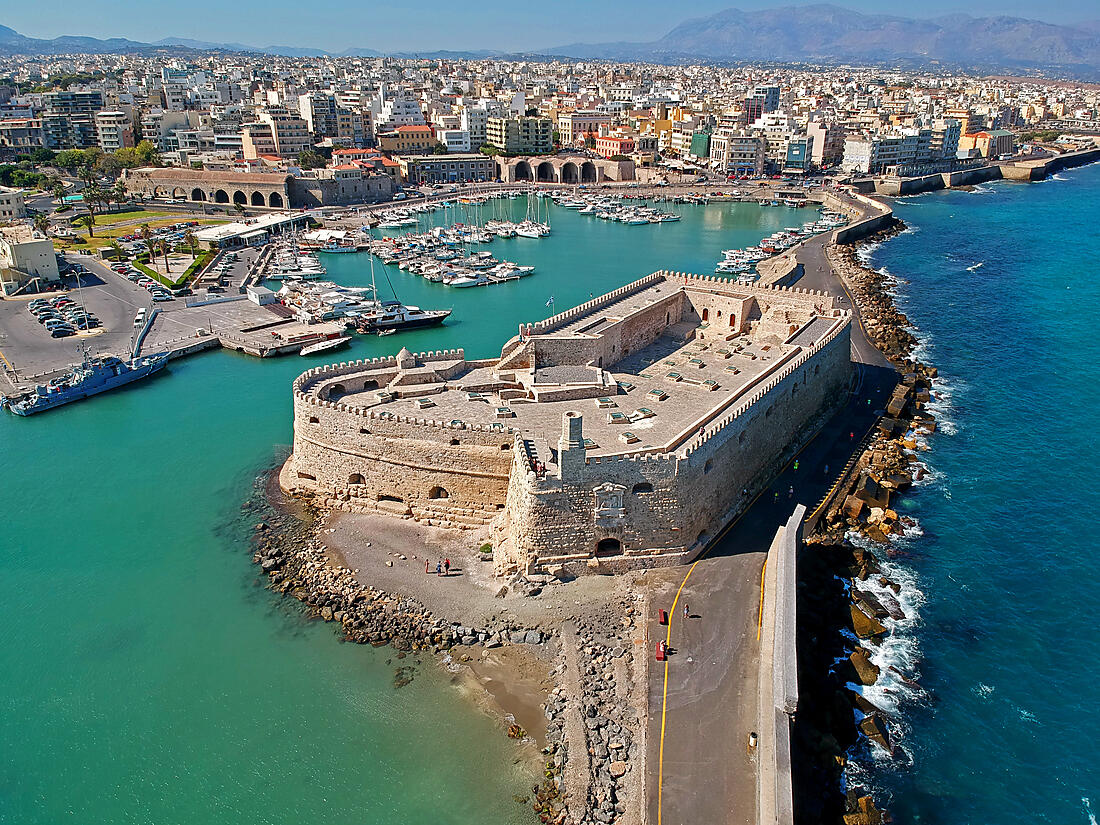
Heraklion, the capital of Crete, is the island’s most populous city. The hustle and bustle of this seaport is an integral part of its charm. It is built on a hillside overlooking the port and is encircled by impressive Venetian walls. From the top of these, you will be able to enjoy one of the most beautiful views of the city. The old town is teeming with small shops, squares, cafés and vibrant architectural evidence of the city’s long history. The Palace of Knossos illustrates the wealth and power of its legendary sovereign, King Minos. The archaeological museum houses one of the largest collections of Minoan artefacts and is worth a visit.
Arrival 20/10/2026 early morning
Departure 20/10/2026 evening
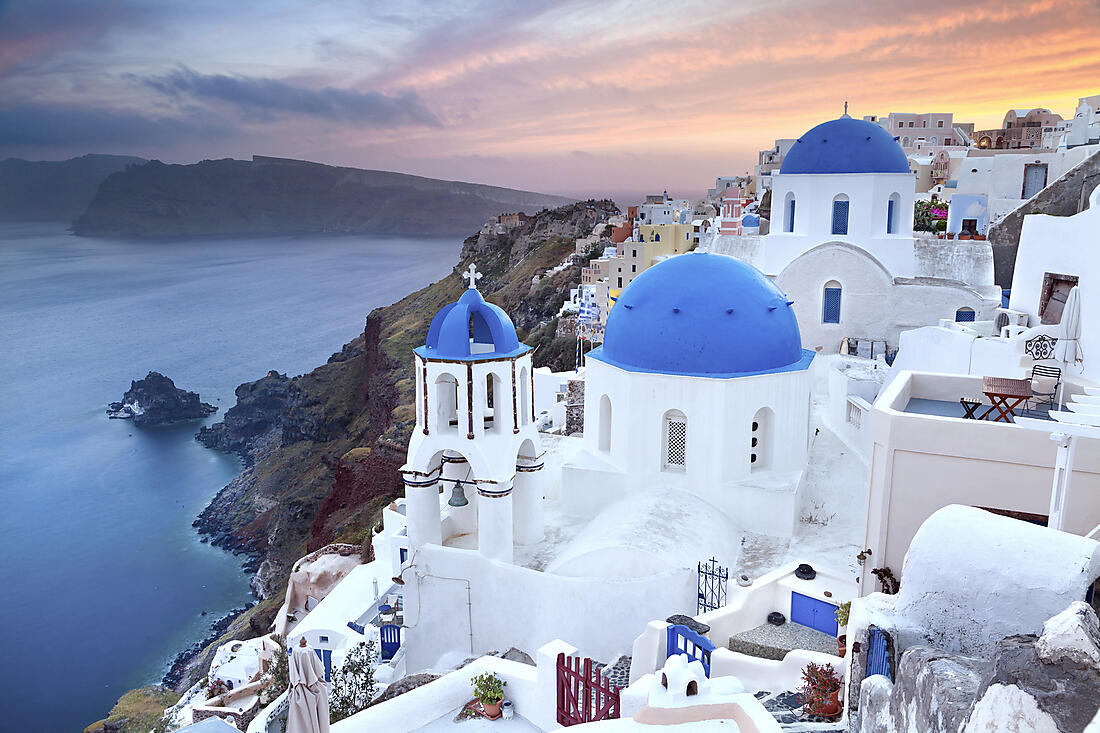
The spectacular volcanic island of Santorini stands out proud in the Cyclades. Its basalt cliffs offer particularly expansive views of the Aegean. To enjoy these views, you can head for the capital, Fira. Its floral belvederes of bougainvillea provide a bird’s-eye view of several thousand metres of coastline. Further away, the gorgeous village of Oia looks like a stairway of blue and white houses on the slopes of the volcano. In the south of the island, you will be able to visit the stunning ruins of Akrotiri, an ancient city destroyed by an eruption and covered with a thick layer of lava stone.
Arrival 21/10/2026 early morning
Departure 21/10/2026 late afternoon
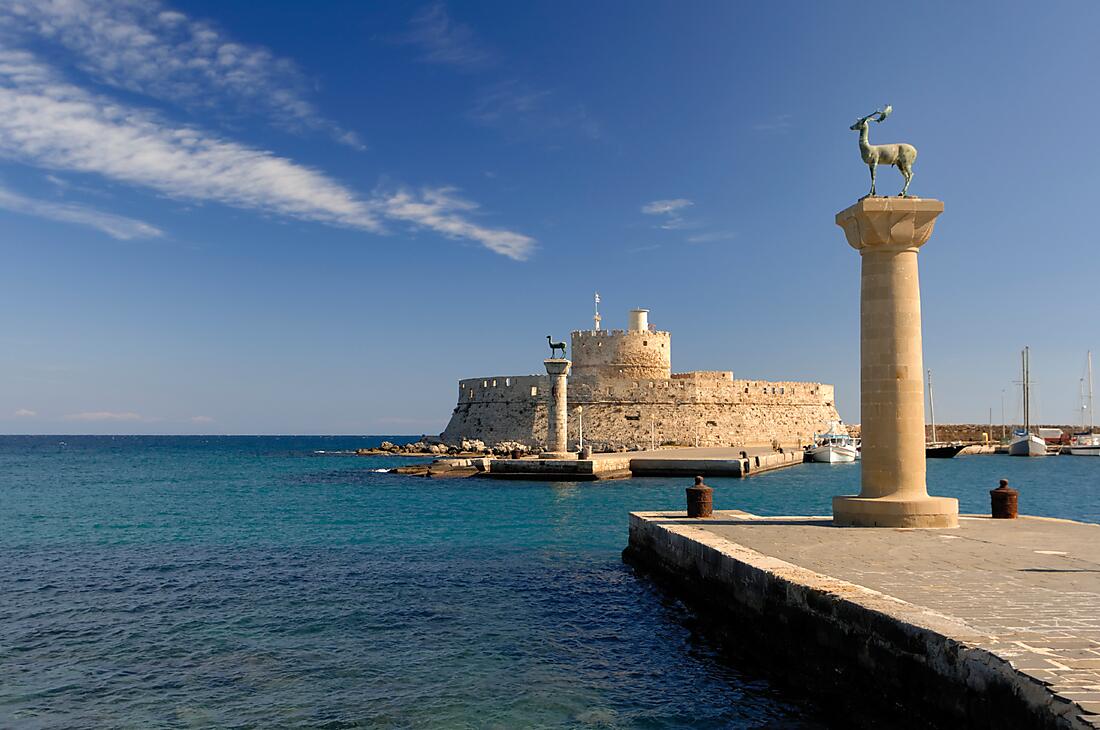
With its particularly agreeable climate, the island of Rhodes invites you to walk its pathways and discover its immaculate villages and sumptuous medieval city, a UNESCO World Heritage site. At the centre of the island the mountains are covered in forest and on the western slopes we find vineyards and crops. Rhodes also owes much of its charm and its character to the Knights of St John who reigned over the island from 1310 to 1522 and built impressive defensive walls punctuated with majestic gateways. Do not miss this delightful island with its peaceful beaches and its large walkways, perpetuating the myth of the famous Colossus, the legendary statue that is one of the Seven Wonders of the World.
Arrival 22/10/2026 early morning
Departure 22/10/2026 mid afternoon
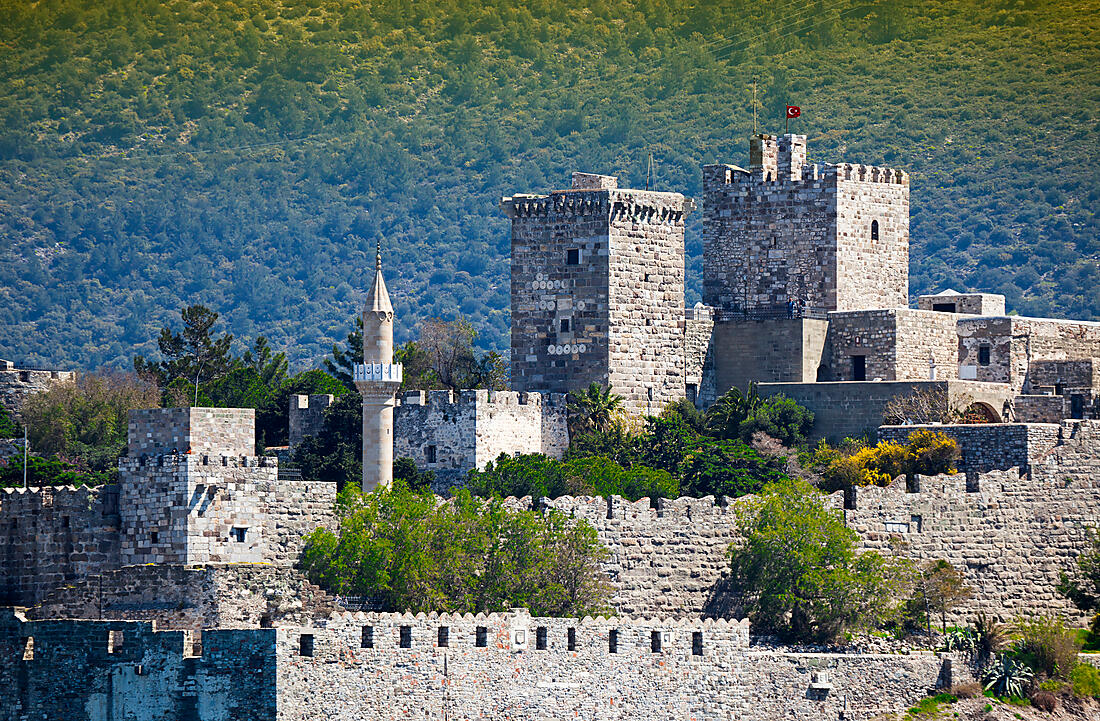
Bodrum is located one of the bays of Mugla on the west coast of Turkey. At the harbour entrance, you’ll can’t miss The Bodrum Castle of The Knights of St. John, the town’s emblem. Here you will be able to visit the Bodrum Museum of Underwater Archaeology housed within the castle precincts. In the centre, the passages shaded by arbours abound with diverse craft shops and ice-cream cafés where you can sit out and enjoy refreshing citrus fruit sorbets. A few streets away, the archaeological site of the Halicarnasse mausoleum invites you to experience the old town’s past, just as the old theatre ds, built on the slopes of the hillside looking out over the bay of Bodrum.
Arrival 23/10/2026 early morning
Departure 23/10/2026 midday
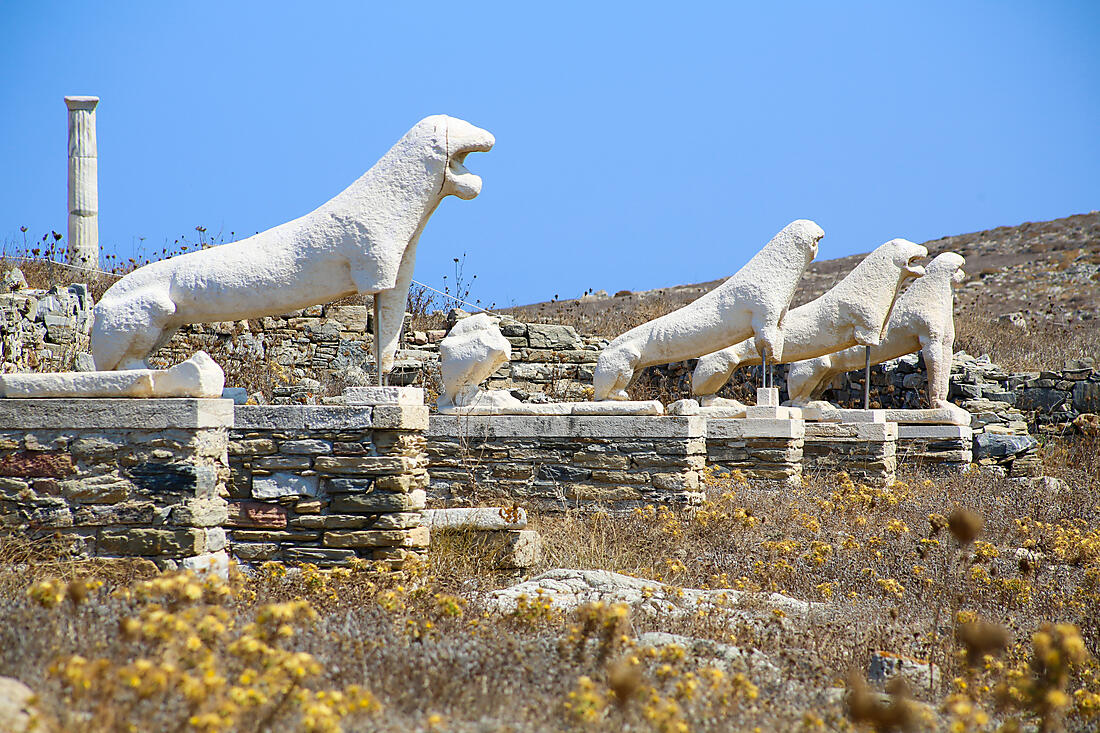
This legendary Cyclades island of Delos stands just a few miles southwest of Mykonos. The ceremonial solemnity of this ancient holy sanctuary will not leave you indifferent. The sheer size and importance of this UNESCO World Heritage site which covers over half of the island is thrilling in itself. From the Stoa of Antigonos, the Terrace of the Lions, to the carved marble animal statues, you will make discovery after discovery, against a backdrop of the Aegean stretching to the horizon. The theatre steps on the hillside are a particularly good place from which to enjoy the expansive view.
Arrival 23/10/2026 early afternoon
Departure 23/10/2026 late evening
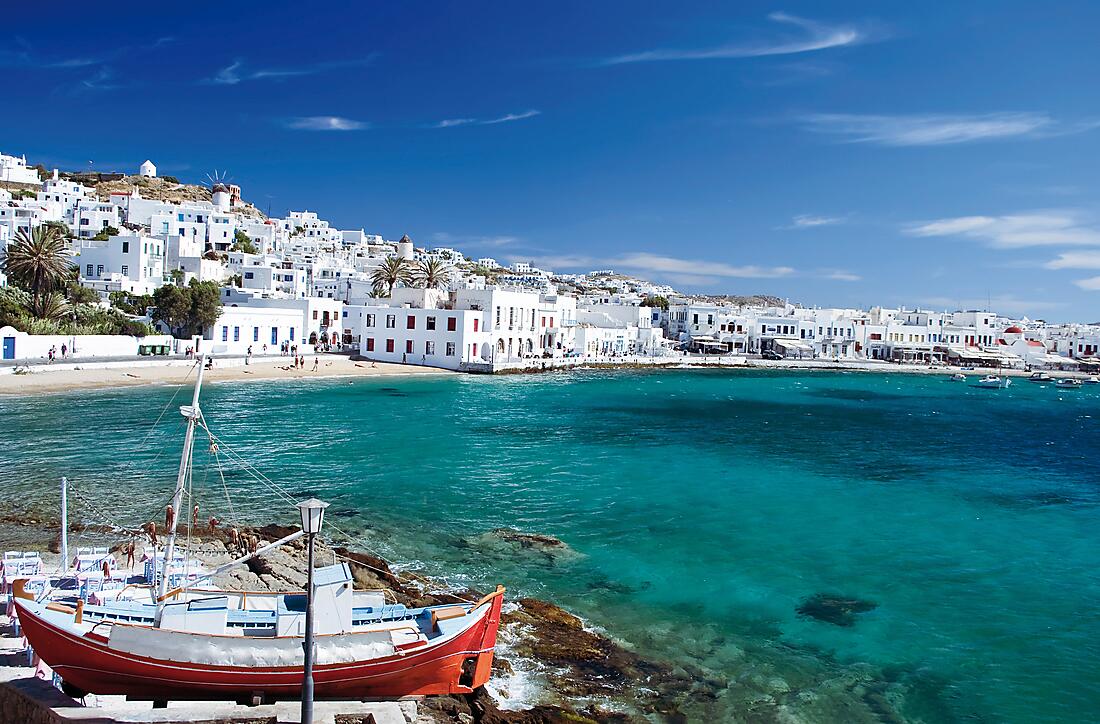
Nicknamed “little Venice”, Mykonos is famous for its Alefkandra district where houses are built right on the water’s edge. Their multi-coloured loggias are emblematic of this Cyclades island, as are the pelicans and windmills. You can get close up to the birds on the quaysides of the old port. Up on the hillside, you can see the windmill sails turning. In the cobbled streets of the pedestrian centre, bougainvillea bedeck immaculate facades. As you weave in and out of the little streets, snatches of coastline will undoubtedly call you to the island’s beaches, the quietest of which can be found on the northern coast.
Arrival 24/10/2026 early morning
Departure 24/10/2026 late afternoon
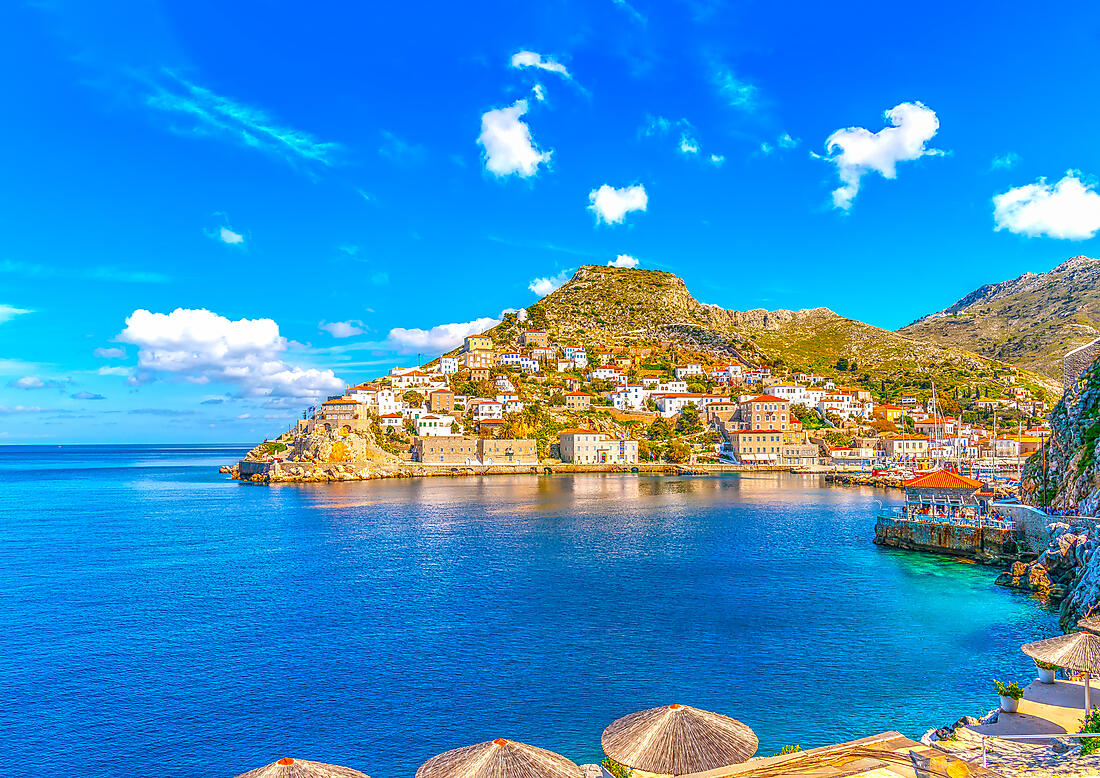
This unusual gem belonging to the Saronic islands is located to the east of the Peloponnese. There are no cars here. Named after the island, the harbour town is layered up the slopes of a mountainous bay. You may be surprised to see beautiful stone mansions. These are traditional here, as are the multi-coloured caïques along the quays. Further along the shore, you will discover the Historical Archives Museum. Collections from Athens National History Museum are exhibited in the elegant villa Koundouriotis.
Arrival 25/10/2026 early morning
Disembarkation 25/10/2026 at 8:00?am
The Greek capital city is located on the edge of the Saronic gulf, in the east of the country. It bears a plural name in reference to the first villages that surround the Acropolis. You will be enchanted by the rocky plateau presided by its monuments listed as UNESCO World Heritage. In the city below, you can visit some of the liveliest districts in Athens: Plaka, with its maze of colourful streets, and where, in the evenings the drifting aroma of moussaka and garlic prawns will tickle your taste buds. The National Archaeological museum and the Cycladic Art Museum are also some of the city’s key attractions and allow visitors to discover Athens’ cultural past.
Knossos and the Archaeological Museum - 4 hours
Europe's first advanced civilisation, the Minoan, emerged on the island of Crete around the third millennium BCE - at roughly the same time as early Egyptian civilisation arose along the Nile - and it flourished there for more than a thousand years before being overtaken by Mycenean culture from mainland Greece. The Palace of Knossos, on the outskirts of the modern port city of Heraklion, was the court of the legendary King Minos. Excavated and restored by archaeologist Sir Arthur Evans, it is one of the best examples of a flourishing early Bronze Age civilisation in the Mediterranean.
Entering the Great Palace through the West Court, one can easily understand how the legend of the labyrinth and of the Minotaur, half bull, half man, originated here. It takes about an hour and a half to walk around the site, through intricately tangled - 'labyrinthine' - hallways and alleyways that lead to the various parts of the Palace. Discover the Royal Quarters, the Throne Room and its antechamber, and the Queen’s Quarters, where the wall above the entrance door is decorated with the famed fresco of dolphins cavorting with other fish.
From Knossos, return to Heraklion to visit one of the richest museums in the world, Heraklion's Archaeological Museum, exhibiting in its twenty halls almost all of the finds from the Minoan era, including the originals of the marvellous frescs you will have seen at Knossos.
This is a moderate excursion, involving about a mile of walking over uneven terrain with some steps at Knossos. Comfortable walking shs and protection from the sun are recommended.
Cretan Villages & Wine Experience - 3 hours, 30 minutes
Crete is an island of striking contrasts - cosmopolitan in places, rugged and untouched in others -with scenery that shifts from barren hillsides to lush interior valleys. This tour offers a glimpse into the island’s rural traditions with visits to two villages that have preserved customs dating back centuries.
Begin by traveling southeast from Heraklion to the hillside village of Thrapsano, renowned as the historic centre of Cretan pottery. For generations, artisans here have produced the large clay storage jars known as pitharia, a craft that has changed little since the Minoan era. Visit a local workshop to watch these skilled potters at work and learn about the traditional techniques used to shape and fire the clay.
Continue to Peza, one of Crete’s most important wine-growing regions, cultivated since ancient times. Set among rolling vineyards, a local winery welcomes you for a tasting of regional varieties, offering a flavorful introduction to the island’s agricultural heritage. Conclude your experience with a panoramic drive through Heraklion before returning to the port.
This light excursion involves less than a quarter of a mile of walking over flat ground. Comfortable non-slip shs are recommended.
Historic Heraklion and Cretan Village Life - 4 hours
Begin this exploration of Crete with a visit to the historic center of Heraklion, the island's capital. A guided walking tour of the old town focuses on the city's architectural inheritance from centuries of Venetian and Ottoman rule. As you stroll along 25th August Street, you will see this legacy everywhere, perhaps most notably in the 17th-century Venetian Loggia of Heraklion and in Byzantine-Ottoman-Orthodox Agios Titos Church.
After this brief introduction to Crete's largest city, travel into the countryside to visit Arolithos Traditional Cretan Village, for a glimpse into rural life. Established in the 1980s as a "living museum," Arolithos is designed to recreate a typical Cretan village of the late 19th and early 20th centuries. Follow your guide through cobbled lanes lined with traditional houses and artisan workshops, where you may see people engaged in weaving or throwing pottery. Along the way, pause for a tasting of local snacks - bread, oil, cheeses, olives - and be entertained by a presentation of Cretan music and dance performed on traditional instruments and in traditional costume. Following the performance, enjoy time at leisure to explore on your own, perhaps browsing the shops or visiting the onsite museum, before returning to Heraklion and your ship.
This is a moderate excursion, involving a total of approximately a mile and a half of walking over a combination of paved and cobbled surfaces. Layered clothing and sturdy shs are recommended, as is protection from the sun.
Hiking the Volcano & Cruising the Caldera - 3 hours
In the 2nd millennium B.C., a massive volcanic eruption devastated the island of Santorini and buried its main town, now called Akrotiri, in a thick layer of ash and pumice. The cataclysmic eruption blew out the entire center of the island, creating a large crater, where the sea rushed in and formed a beautiful bay. The eastern shore of this bay, the Caldera of Santorini, is where your ship is docked.
Board a local boat for a short cruise across the bay to Nea Kameni, an island formed by later eruptions, and the site of a still active volcano. Disembark on Nea Kameni and hike the trail that rises about 500 feet to the edge of the crater, where you will enjoy superb views of the archipelago of islands that populate the caldera, as well as the jagged cliffs of Fira. Take time to walk among the oddly formed fragments of lava and smell the sulfur in the air as you explore the area around the rim before descending to shore.
Reboard your boat and sail to the thermal springs of neighbouring Palea Kameni. Here, the green, vent-warmed waters reach temperatures near 100 degrees, creating a natural hot tub. Passing through the springs, your boat cruises around the tiny island and returns you to the pier.
· This is an active excursion. Participants need to be in good physical condition for the hike up to the summit of Nea Kameni and back, which is uphill on uneven dirt and sandy terrain. Sun protection is also crucial since the island is bare of any shade.
Akrotiri & Picturesque Oia - 4 hours, 30 minutes
In the 2nd millennium B.C., volcanic eruptions shrouded Santorini in a blanket of pumice and ash, preserving many buildings, much as Vesuvius preserved buildings at Pompeii and Herculaneum. At the time of the eruptions, Santorini was inhabited by a Bronze Age civilisation sophisticated enough to support the large and prosperous town of Akrotiri.
Your excursion begins with a visit to the archaeological site of Akrotiri, discovered in 1967 and the subject of nearly continuous excavation since. The two- and three-story houses you will see as you stroll through the site were decorated with marvellous wall paintings and furnished with bronze vessels for cooking and storing foodstuffs, as well as tools and weapons and the other accoutrements one would expect from a well-organised and flourishing society.
From Akrotiri, travel to the village of Oia, on the northernmost tip of Santorini, one of the most beautiful - and therefore most photographed - spots in the Cyclades. Lovingly restored following a devastating earthquake in 1956, it offers breathtaking views of the Aegean from its perch high atop a ridge of red rock.
You will enjoy a walking tour through this once important centre of Eastern Mediterranean trade. Notice two very different sorts of dwellings: cave houses, dug into the volcanic rock of the cliff-sides, where ships' crew and their families lived, and the neo-classical mansions of the ship captains and owners on the terraces above. Both are intriguing, and many of both types have been converted into charming guest houses.
At the end of the tour, disembark your coach in Fira, where you may take the cable car down to the port, or spend some time browsing the shops in town and take a later cable car.
This is a moderate excursion with a total of perhaps two hours of walking. The tour of Akrotiri involves walking on wooden platforms above the work floor of the site, and the streets in Oia and Fira are mostly cobblestone with some incline. Wear comfortable shs and as always be sure to protect yourself from the sun.
Sights and Tastes of Santorini - 5 hours
This excursion is designed to showcase the magnificent views from several of Santorini's best lookout points and to offer a taste of the local culture and cuisine.
From the ferry port just south of Fira town, travel to the village of Oia on the northernmost tip of Santorini, one of the most beautiful—and therefore most photographed—spots in the Cyclades. On a guided tour through this lovely town, you will pass by the neo-classical mansions of ship owners and captains who grew wealthy from the trade of this once-flourishing centre of Mediterranean commerce, and you will enjoy breathtaking views of the Aegean from Oia's perch atop rugged cliffs. Following your tour here, drive into Santorini's interior, pausing briefly at the Prophet Elias Monastery, atop the highest point on the island, for sweeping views over the volcanic landscapes below. In the nearby village of Pyrgos, savour a sampling of authentic Greek mezedes at a local restaurant while enjoying traditional Greek music and dance.
Returning to the coast and to Fira, you may take the cable car down to the port, or spend some time browsing the shops in town and take a later cable car
This is an easy to moderate excursion, involving a total of approximately one mile of walking over sometimes uneven, cobblestone surfaces. You will want comfortable shs, layered clothing, and protection from the sun.
Traditional Music and Wine - 3 hours, 30 minutes
A short drive brings you to the village of Megalochori and the Symposion Cultural Center, named for the ancient Greek tradition of symposia - social gatherings focused on wine, conversation, philosophy and music. You will be met by Yannis Pantazis, co-founder and co-owner of the Center, who will guide you through the museum showcasing handcrafted traditional Greek wind and string instruments, many of which were made by Yannis himself. As he demonstrates various flutes, bagpipes, and lyres, he tells stories, as earlier bards would have done, of the gods and hers of Greek myth and the importance that music had in virtually all aspects of ancient Greek life.
Following this immersive experience in Greek culture, travel to the nearby Koutsoyannopoulos Wine Museum, where a guided tour combines the history of wine production in Santorini with a sampling of several local wines.
This is an easy to moderate excursion, involving a total of less than a mile of walking over sometimes uneven, cobblestone surfaces and approximately 35 steps at the wine museum. You will want comfortable shs and layered clothing.
The Acropolis of Lindos - 4 hours, 30 minutes
The Acropolis of Lindos, a rocky promontory that towers over the town, has been used since the 6th century B.C. as a citadel and place of worship successively by Greeks, Romans, Byzantines, the Knights of St. John, and the Ottomans. It is one of the most important archaeological sites on the island of Rhodes, and it is also one of the most picturesque locations, attracting artists from around the world.
Your excursion begins with a one-hour scenic drive south from Rhodes town, through orange and lemon groves, prosperous vineyards, and gnarled olive trees. As your motor coach rounds the last bend of the road, your first views of Lindos are of the rocky cliffs of the acropolis surrounded by the turquoise waters of the Mediterranean Sea. Spread out below you is Lindos village, clustered with pretty whitewashed houses, its streets paved with intricately patterned black and white pebbles collected from the sea.
As you begin your climb up the footpath to the summit, the first ruins you encounter are walls built atop ancient fortifications by crusaders in the early 14th century, and when you reach the top, you pass through battlements constructed by the Knights of St. John to defend against the Ottomans and enter the acropolis complex. Here, with absolutely stunning views in all directions, you discover the ancient remains of the 4th-century B.C. Doric Temple of Athena Lindia and the imposing columns of the Hellenistic Stoa, as well as a Byzantine church and additional remnants of the Knights' citadel.
After making your way back down to the modern town, you will have some time at leisure to browse the shops brimming with attractive souvenirs before returning to Rhodes
· This excursion involves as much as two hours of walking including a 20 minute climb through the narrow streets of the town on stones that may be slippery, and another 250 steps up to the acropolis and back down and there is no shade at the top. You should be in good physical condition to participate and take extra precautions against the sun.
A Panoramic View of Rhodes - 3hours, 30 minutes
This outing provides an opportunity to enjoy the beauty of the east coast of Rhodes from the comfort of a modern motor coach.
Begin by driving to Monte Smith at the northern tip of Rhodes for panoramic views over the town and nearby islands, as well as the Turkish coast, a mere 12 miles away. Continue with a scenic drive south from Rhodes, through orange and lemon groves, prosperous vineyards, and gnarled olive trees, to reach the ancient town of Lindos. As your motor coach rounds the last bend of the road, your first views of Lindos are of the rocky cliffs of its acropolis surrounded by the turquoise waters of the Mediterranean Sea. Spread out below you is Lindos village, clustered with pretty whitewashed houses. The view is extraordinary and has attracted artists from around the world.
Stop in a traditional seaside village, where you will enjoy a snack of Greek mezze and ouzo at a local seafront restaurant, before returning to Rhodes town via the trendy resort towns of Faliraki and Kalithea.
This is an easy excursion, involving very little walking. As always, you should bring protection from the sun.
Walking Tour of Medieval Rhodes - 3 hours, 30 minutes
The island of Rhodes was known in the ancient world for its schools of philosophy and rhetoric. Today, it boasts one of the largest medieval towns in Europe. Discover its winding, labyrinthine streets and splendid open plazas on this guided walking tour through Rhodes Town.
Departing from the pier on foot with your guide, walk the short distance to the city walls and pass through to the narrow, cobblestone streets within. The most imposing building of medieval Rhodes, the Palace of the Grand Masters, dominates the end of the Street of the Knights. Built in the 14th century, the Palace will charm you with its unique architecture and an unrivalled patina of time. Walking down the Street of the Knights and passing by numerous colourful shops, you arrive at the 15th-century Hospital of the Knights, which now houses the Archaeological Museum. The Museum contains collections of artefacts from various parts of Rhodes and the neighbouring islands. Mycenaean jewellery, vases and small objects from burial ensembles, sculptures from the Classical and Hellenistic periods, and Rhodian coins from Hellenistic times are the main exhibits. One highlight is the Statue of the Crouching Aphrodite (1st century B.C.), which was inspired by a famous work of the 3rd-century B.C. sculptor Doidalsas.
At the conclusion of the guided tour, you may choose to linger a little longer to explore more of this charming town on your own before returning to the ship on foot.
· This is a moderate excursion involving 2.5 hours of walking over cobblestone surfaces. It is not recommended for guests with limited mobility or needing wheelchairs.
Bodrum Castle and the Mausoleum of Halicarnassus - 4 hours
At the pier, board a local boat for a short cruise along the scenic Bodrum Peninsula to the Castle of St. Peter, built in the early 15th century by the Knights of St. John as a bulwark against the growing Ottoman threat to Europe. Ultimately surrendered to the Turks in 1523 and badly damaged during World War I, the castle remains an impressive structure. But its primary importance today is as the home of the renowned Bodrum Museum of Underwater Archaeology, one of the world’s leading museums dedicated to ancient maritime history. The museum’s galleries display remarkable finds recovered from ancient shipwrecks, including amphorae, jewelry, and navigational tools. One of the most famous exhibits is of the Uluburun Shipwreck, dating to the 14th century BCE. Its cargo—copper and tin ingots, ivory, glass beads, and luxury goods—reveals the vast trade networks that once connected the civilisations of the Bronze Age Mediterranean.
After your visit to the museum, your guide will lead those who are interested to the site of the Mausoleum of Halicarnassus. Built in the 4th century BCE for the ruler Mausolus, the tomb was so magnificent that it was considered one of the Seven Wonders of the Ancient World. But a series of earthquakes between the 12th and 14th centuries toppled the upper portions of the structure, and in the 15th century, the Crusader Knights quarried the remains to build the Bodrum Castle. What remains today are the mausoleum's foundations. Those who would prefer not to visit the site are free to explore the town on their own, returning to the local boat in time to sail back to the pier.
This is a moderate excursion, involving approximately a mile and a half of walking over sometimes uneven surfaces. There are also about 80 steps in the castle. Comfortable shs are recommended, as are layered clothing and protection from the sun.
Swimming the Bays of Bodrum - 2 hours, 30 minutes
Enjoy a relaxing afternoon cruising the turquoise waters of the Aegean Sea on board a local boat from Bodrum. The boat will anchor at a scenic cove where guests can enjoy swimming in the crystal-clear waters. Light refreshments will be served on board.
The Archaeological Wonders of Delos - 3 hours, 30 minutes
The island of Delos was sacred to the ancient Greeks - the birthplace of Apollo and Artemis, and home to countless shrines and temples. Today, it is a veritable open-air museum.
Your walking tour of this sprawling site begins directly from the pier, as you follow your guide through a maze of fallen columns, sections of the mosaics which once adorned the houses of the rich, a stadium, tiers of seats from a theatre abandoned long ago and much more. Atop a small hill is the Sanctuary of Zeus and Athena Cynthiens, dating from the 3rd century BC. From this vantage point, you overlook the entire site and get a sense of the grandeur of the city when it was the centre of the Delian League.
Among the notable remains you will encounter is the Sanctuary of Apollo, also known as the “Temple of the Athenians," where you will see the altars and votive offerings presented by Athenians to the god so important to their civic life. You will also discover the Terrace of the Lions, among the best-preserved monuments on Delos, where five marble lions stand at the ready to protect the town as they gaze to the east, waiting for the sun to rise.
You will visit the Theater District, the most luxurious district of the ancient city with the mansions pretentiously named the homes “of Dionysus" and “of Cleopatra," among others. This is where the mosaics that adorned the floors of these great houses, as well as the streets and shops of ancient Delos will suggest the wealth of this once bustling city.
Finally, visit the recently re-opened Archaeological Museum, and tour its expanded exhibits of finds from the island.
· This excursion is entirely on foot on uneven surfaces and some steps without handrails. We recommend you wear comfortable walking shs and protect yourself from the sun.
Experience Mykonos - 7 hours
Its white cubic houses, characteristic windmills, and numerous chapels make Mykonos the quintessential Cycladic island. Formerly a quiet fishing town, Mykonos is now a sophisticated island resort with smart cafes and boutiques. Enjoy an afternoon and evening at leisure to soak in all this dazzling town has to offer.
A Walk through the History of Hydra - 3 hours
Although it was 'discovered' in the 1950s and has been a retreat for Greek and international celebrities from Maria Callas and Aristotle Onassis to Leonard Cohen, Hydra maintains its traditional character - in large part, because no motorised vehicles are allowed on the island.
Your guided tour of Hydra's landmarks begins with the Historical Archives Museum, housed in an elegant mansion and containing manuscripts, paintings, rare books and photographs that detail the long and distinguished maritime and military history of the island and its inhabitants.
As your walk continues, you will stop at the Church of the Dormitian, which serves as Hydra's cathedral. The church boasts a 3-story bell tower made entirely of marble and houses icons and other offerings from the wealthy seafarers of the island, including one chandelier that is said to have been stolen from Louis XIV.
A short uphill climb brings you to the Koundouriotis Mansion, a splendid example of the traditional architecture of Hydra. Built in 1780 by Lazaros Koundouriotis, it now houses various items from the National Historical Museum of Athens, such as traditional costumes, jewelry, fine embroideries, pottery and wood-carvings. The opulent interior also displays the heirlooms of this wealthy ship owner and his family.
Your exploration of this special island includes a coffee and sample of Hydra's local sweet amygdaloto at a local cafe and ends with a leisurely stroll back to the port.
This excursion is entirely on foot, walking over uneven ground, cobble stone streets and steps (70-80 steps). We recommend you wear comfortable walking shs and protect yourself from the sun. Appropriate clothing is required to enter religious sites: shoulders and knees must be covered. The refreshment is included on your tour. The order of visits may vary.
